
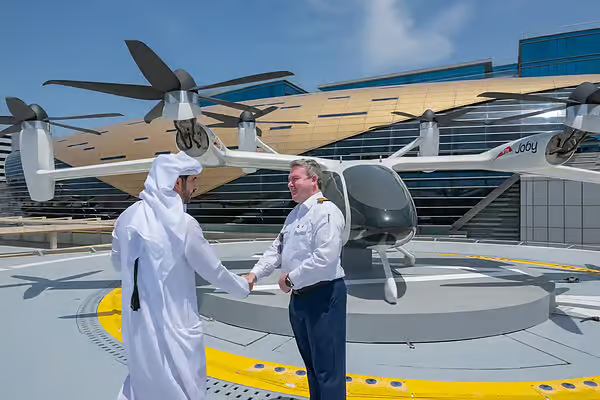
Dubai’s First Air Taxi Station Near DXB Marks a Major Leap in Urban Mobility
Dubai has taken another decisive step towards the future of transport with the completion of its first air taxi station near Dubai International Airport. Announced by His Highness Sheikh Hamdan bin Mohammed bin Rashid Al Maktoum, the station represents more than a new piece of infrastructure. It signals the city’s intent to redefine how people move between key business districts, tourism hubs and residential communities in one of the world’s fastest-growing urban environments.
As Dubai continues to invest in next-generation mobility, this milestone reinforces the emirate’s broader vision of becoming a global leader in innovation, connectivity and quality of life. The air taxi network is not simply about novelty. It is about reducing travel times, easing pressure on road networks and integrating new transport technologies into a city already known for ambitious infrastructure delivery.
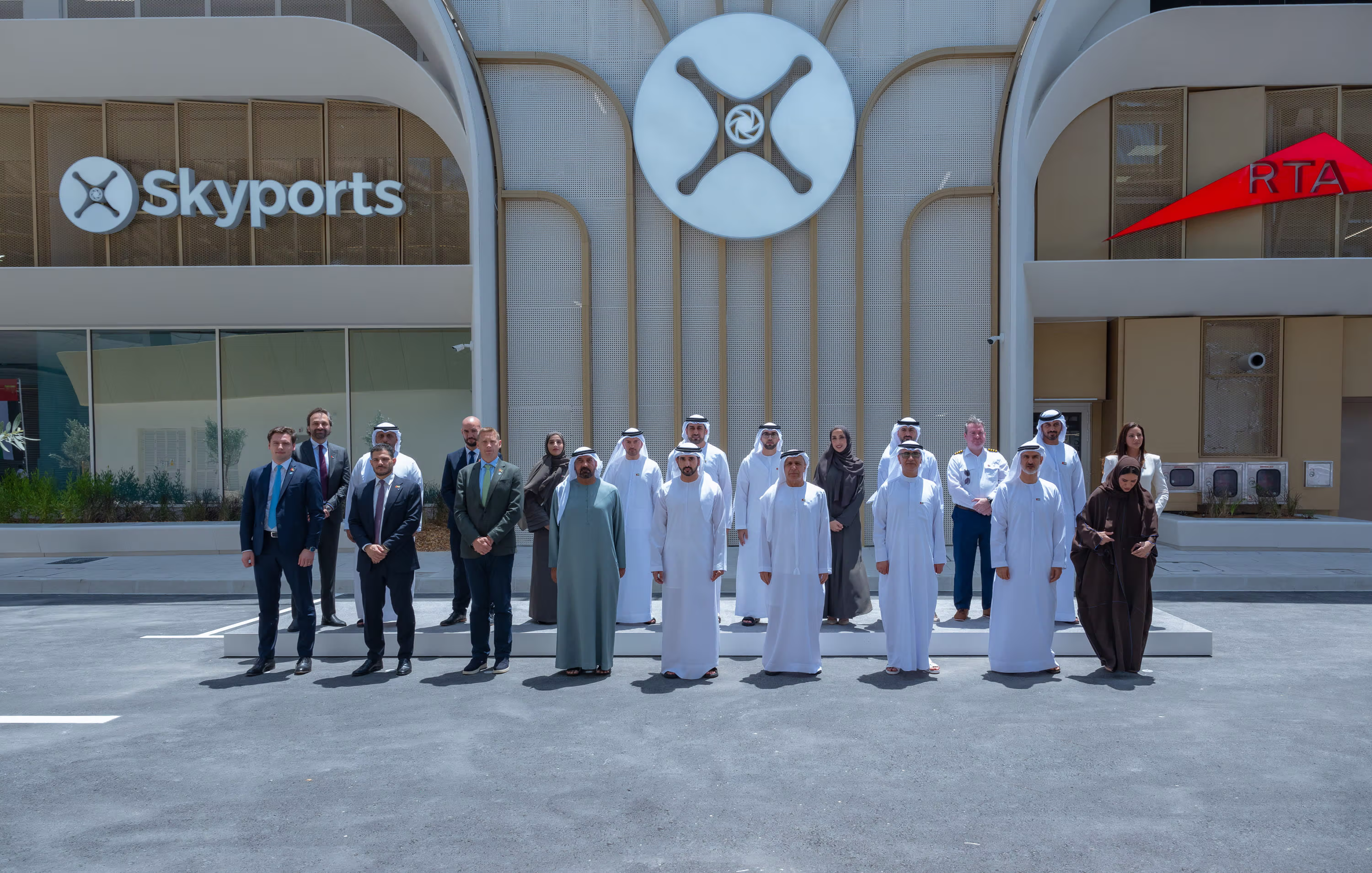
A Landmark Project Positioned Near Dubai International Airport
The first completed station has been developed near Dubai International Airport, placing it at one of the most strategic transport gateways in the region. This location is especially significant because it connects the concept of advanced air mobility directly to a high-volume arrival and departure point used by millions of residents, business travellers and tourists each year.
By positioning the first station near DXB, Dubai is creating a strong practical starting point for air taxi operations. The vision is clear: to allow passengers arriving in the city, or moving between major districts, to access a fast and premium mobility option that complements the existing transport ecosystem rather than competing against it. In practical terms, that means air taxi services are being designed as part of a wider mobility network, linked with metro services, buses and shared transport modes.
What the New Air Taxi Station Means for Dubai
The completion of the first air taxi station is a major statement about Dubai’s long-term direction. The emirate has consistently demonstrated its willingness to invest early in transformative infrastructure, whether in aviation, logistics, smart government or real estate. This project continues that pattern by bringing advanced electric vertical take-off and landing transport closer to commercial reality.
It also reflects a broader urban planning principle. Dubai is not only building for current demand. It is building for future patterns of movement, future demographics and future expectations around convenience, sustainability and travel efficiency. As cities become denser and residents place increasing value on time-saving infrastructure, advanced air mobility could become an important part of the premium transport mix.
Designed as a Purpose-Built Facility for Commercial Readiness
The station has been designed as a purpose-built facility rather than a conceptual prototype. This is an important distinction. It shows that Dubai is moving beyond discussion and into operational preparation. The station includes dedicated areas for take-off and landing, charging infrastructure, passenger processing and climate-controlled facilities, all of which are intended to support future commercial service in a safe and efficient manner.
The development approach also matters. By working with specialist partners in infrastructure, aircraft manufacturing and operational systems, Dubai is building an ecosystem around air taxi services rather than treating the project as a standalone announcement. This helps strengthen confidence that the air taxi initiative is being developed with real-world usability, regulatory coordination and service delivery in mind.
Faster Journeys Across Key Areas of Dubai
One of the strongest value propositions behind Dubai’s air taxi network is time efficiency. According to the reported plans, a journey from Dubai International Airport to Palm Jumeirah could take approximately 10 minutes by air taxi, compared with around 45 minutes by car under normal road conditions. That kind of reduction has major implications for business travellers, high-net-worth residents, executives and visitors who place a premium on time and convenience.
In a city where multiple commercial, lifestyle and hospitality destinations are spread across a large urban footprint, reducing journey times can have a direct impact on productivity and accessibility. The air taxi model is therefore not being positioned as a gimmick, but as a new mobility layer aimed at solving a real city challenge: moving efficiently between strategic destinations.
Part of a Wider Network Across Dubai
The station near DXB is expected to be the first node in an initial wider network that also includes Downtown Dubai, Palm Jumeirah and Dubai Marina. This matters because the success of any new mobility system depends on network value, not just individual infrastructure assets. A connected system linking major residential, business and tourism zones creates a far more compelling proposition for both residents and visitors.
Once fully operational, this network could reshape expectations around premium point-to-point movement in Dubai. It would connect some of the city’s most recognisable locations with a new transport solution designed to be fast, modern and integrated into the wider urban mobility strategy. That is why the completion of the first station is such an important milestone. It is the beginning of a network, not the end of a project.
Discover Opportunities in a City Building the Future
Dubai’s continued investment in mobility, infrastructure and global connectivity is one of the reasons the emirate remains a compelling destination for real estate investors. If you are looking to invest in Dubai and want expert guidance on the communities best positioned for long-term growth, speak to Hassi Properties today.
Frequently Asked Questions
Where is Dubai’s first air taxi station located?
Dubai’s first completed air taxi station is located near Dubai International Airport, making it a strategically important hub within the city’s future urban air mobility network.
When will Dubai’s air taxi service launch for public use?
Reported plans indicate that the service is intended to launch for public use later this year, following continued operational preparation, testing and regulatory progress.
Which areas will the initial Dubai air taxi network connect?
The initial network is expected to include stations near Dubai International Airport, Downtown Dubai, Palm Jumeirah and Dubai Marina, creating links between key residential, tourism and business districts.
How much time could air taxis save in Dubai?
One of the most notable examples reported is the journey from Dubai International Airport to Palm Jumeirah, which could take around 10 minutes by air taxi compared with roughly 45 minutes by car.
Why is the air taxi project important for Dubai?
The project reflects Dubai’s commitment to future mobility, smarter urban infrastructure and improved connectivity. It also supports the emirate’s wider ambition to remain a leading global city for innovation, investment and quality of life.
Could projects like this influence Dubai real estate?
Major transport and infrastructure upgrades often strengthen the long-term appeal of well-connected districts. As accessibility and convenience improve, investor and end-user interest in nearby communities can also benefit over time.