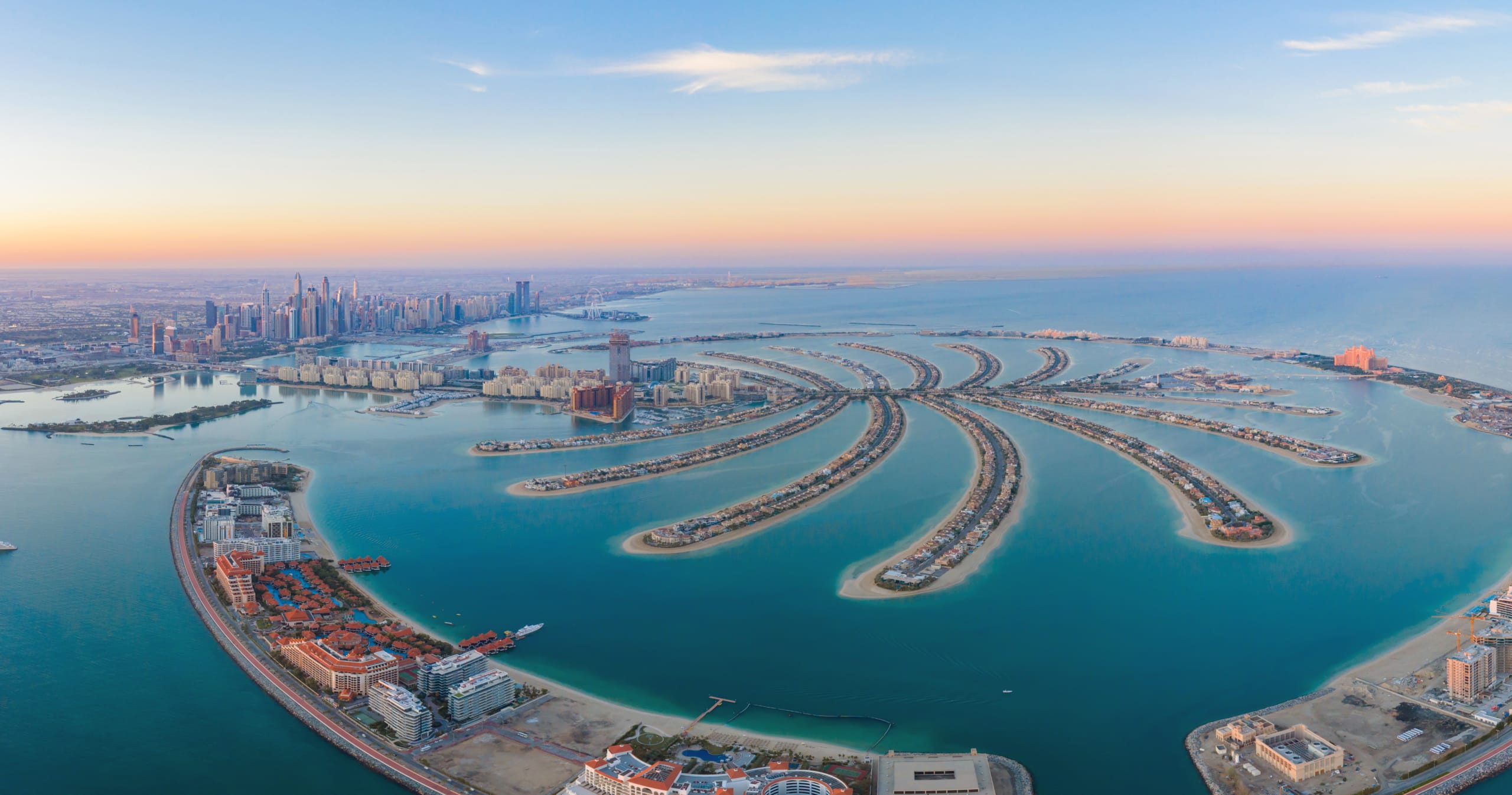
Dubai’s real estate market has once again delivered a landmark moment, with a land transaction exceeding $270 million USD on Palm Jumeirah. While the headline figure alone captures attention, the real significance lies in what this represents for the direction of capital within the market.
This is not simply a high-value deal. It reflects a deeper shift toward strategic, long-term investment into supply-constrained, globally recognised locations. At this level, transactions are less about timing the market and more about positioning ahead of future growth.
The Deal: Scale, Pricing and Strategic Positioning
The transaction involved a granted commercial land plot within the Royal Amwaj development, spanning approximately 858,645 square feet. At a pricing level of around $318 per square foot, the deal firmly sits within institutional territory.
At over $270 million USD, this is not opportunistic capital. It represents a calculated move by investors who are securing prime land with a forward-looking development strategy. The scale alone indicates that the buyer is positioning not for immediate returns, but for long-term value creation tied to future projects.
Market Context: Strength Amid Global Uncertainty
What makes this transaction even more compelling is the environment in which it has taken place. Global markets are navigating uncertainty, yet Dubai continues to demonstrate resilience and depth.
On the same day, total real estate transactions in Dubai exceeded $866 million USD, reinforcing consistent demand across both primary and secondary segments. Looking at the broader picture, Q1 2026 recorded approximately $47.9 billion USD in total sales.
This is not a market slowing down. It is a market becoming more selective, more disciplined, and increasingly driven by fundamentals rather than momentum.
Palm Jumeirah: A Global Asset Class, Not Just a Location
Palm Jumeirah is no longer simply a luxury residential destination. It has evolved into a globally recognised asset class, attracting ultra-high-net-worth individuals, family offices, and institutional investors.
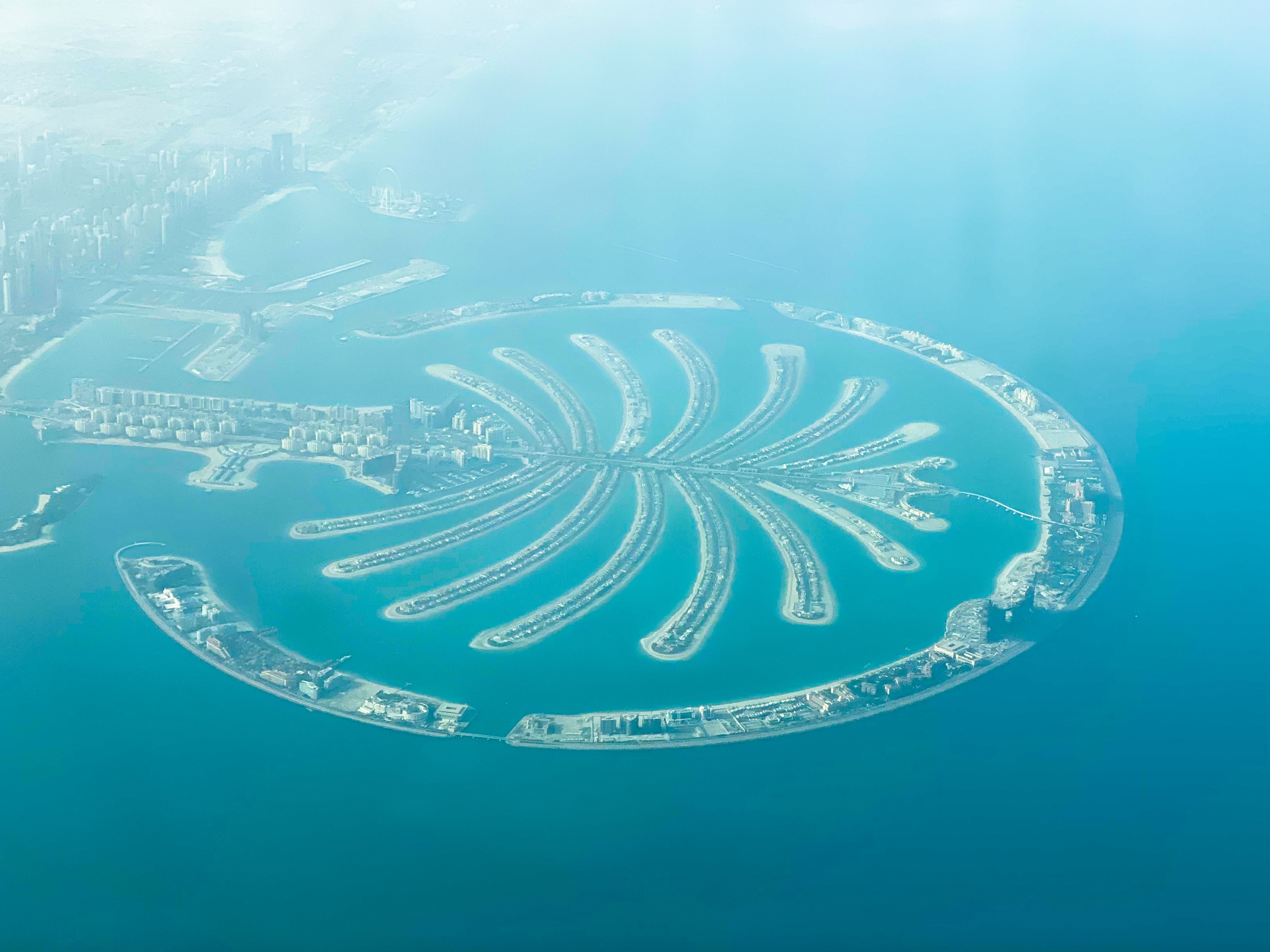
Its strength lies in its scarcity. Unlike emerging communities where supply can expand over time, Palm Jumeirah is inherently finite. The availability of large-scale development plots is extremely limited, and as a result, each transaction of this scale carries significant influence on pricing benchmarks across Dubai’s ultra-prime segment.
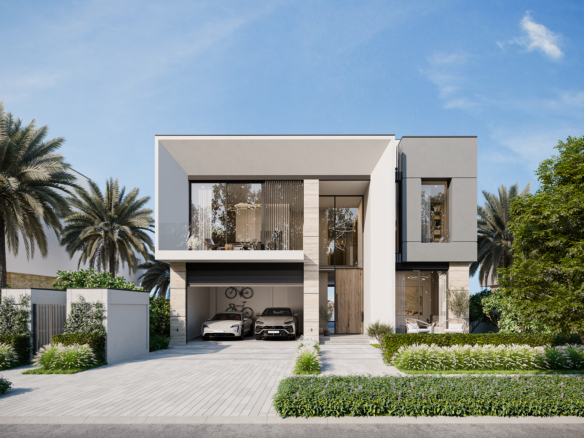
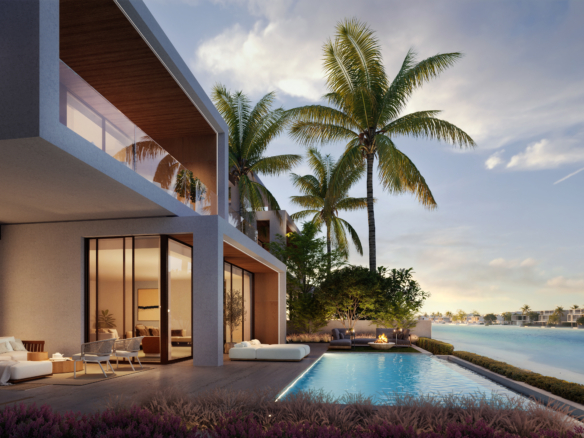
Beyond scarcity, the Palm offers a unique convergence of lifestyle and investment appeal. Waterfront living, branded residences, hospitality integration, and global recognition combine to create sustained demand that is difficult to replicate elsewhere.
The Shift Toward Land as a Strategic Investment
One of the most important insights from this transaction is the increasing focus on land acquisition as a primary investment strategy.
While much of the public narrative centres around off-plan residential units, the most sophisticated capital often enters at the land stage. This is where value is created before it becomes visible to the wider market.
By the time a development is launched, marketed, and absorbed, a significant portion of its upside has already been realised. Investors who align themselves with projects backed by prime land acquisitions are effectively positioning alongside the same capital that is shaping the future of the market.
Who Is Driving These Transactions?
Deals of this magnitude are rarely driven by individual investors. Transactions exceeding $270 million USD typically involve large-scale developers, institutional investors, or ultra-high-net-worth entities operating with long-term horizons.
These buyers are not reacting to short-term trends. Their decisions are based on deep market analysis, global capital flow trends, and long-term demand projections. When capital of this calibre enters the market at this level, it reinforces confidence across the entire sector.
Why Dubai Continues to Attract Global Capital
Dubai’s ability to attract transactions of this scale is not accidental. It is underpinned by a combination of structural advantages that continue to differentiate it globally.
The emirate offers a tax-efficient environment, a currency pegged to the US dollar, and a transparent regulatory framework that provides security for investors. In addition, its position as a global hub for business, tourism, and lifestyle continues to drive consistent demand across real estate.
Palm Jumeirah represents the strongest expression of these advantages, combining global prestige with long-term investment fundamentals
What This Means for Investors
For investors, the implications of this transaction are clear. The market is no longer driven by broad-based growth alone. Instead, it is becoming increasingly segmented, with capital concentrating in prime, supply-constrained locations.
Opportunities are shifting toward early-stage positioning, particularly in developments backed by premium land acquisitions. The ability to identify and access these opportunities early will be a key differentiator in investment performance moving forward.
Conclusion: A Market Entering Its Next Phase
Dubai’s real estate market has evolved into a globally competitive investment environment capable of attracting and retaining large-scale capital.
This $270 million USD land deal on Palm Jumeirah is not an isolated event. It is a signal of where the market is heading—toward greater maturity, stronger institutional participation, and a continued focus on quality over quantity.
As 2026 progresses, the conversation is changing. It is no longer about whether Dubai will attract global capital, but where that capital will concentrate—and how investors can position themselves ahead of that shift.
Explore Properties on Palm Jumeriah & Palm Jebel Ali