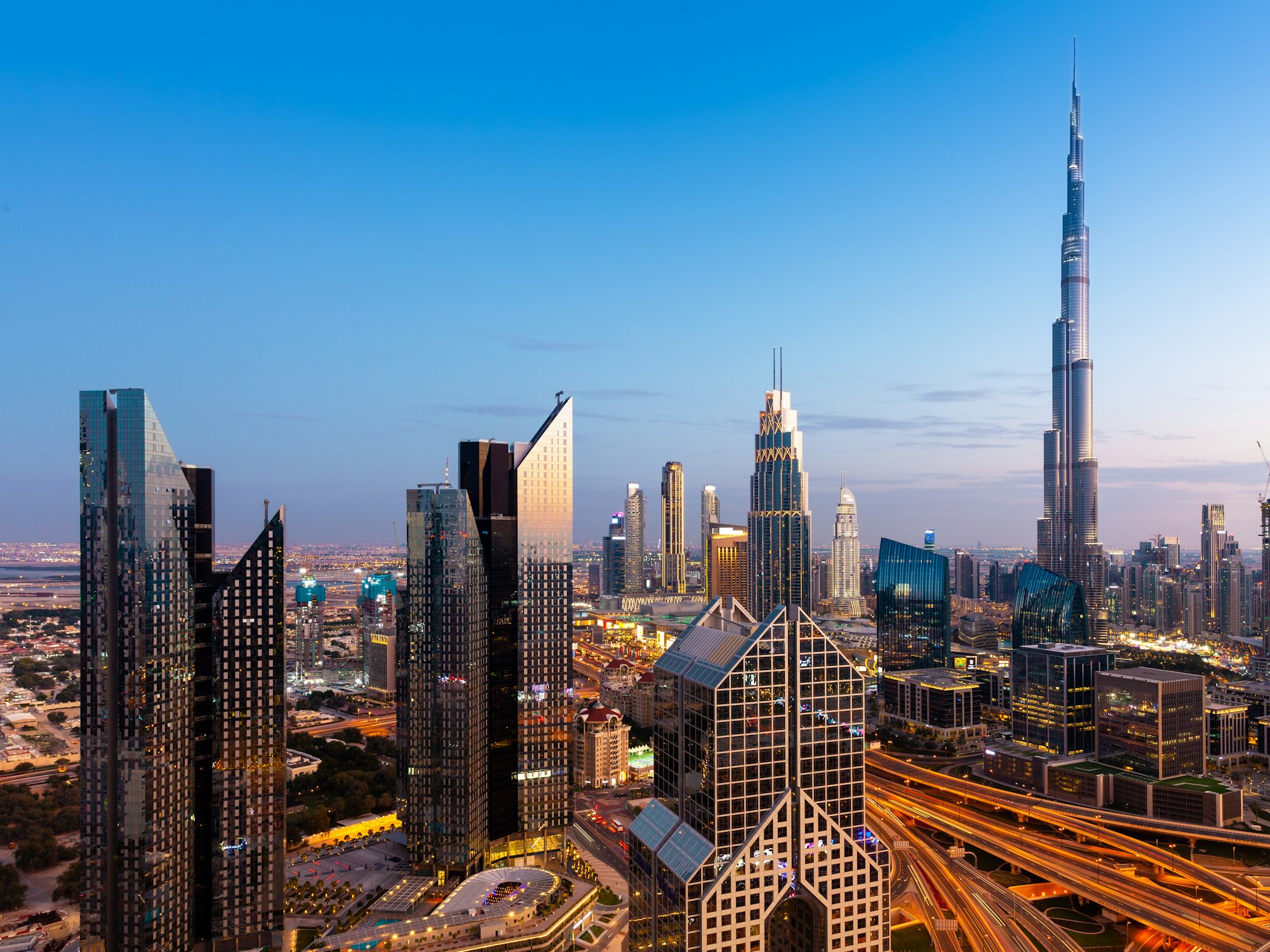
Dubai has once again demonstrated its economic resilience and upward trajectory, recording a remarkable 4.7% GDP growth in Q2 2025 and reaching a quarterly economic output of AED 122 billion. This continues the strong performance from Q1, bringing total GDP for the first half of 2025 to AED 241 billion, an annual growth rate of 4.4%.
This level of expansion reinforces Dubai’s position as one of the fastest-growing and most globally competitive cities, driven by a diversified economic structure, investor-friendly policies, and exceptional confidence across key sectors.
A Clear Validation of Dubai’s Strategic Vision
Dubai’s economic success is not accidental. It is the result of a long-term strategic agenda centered around innovation, sustainability, and global integration — most notably the Dubai Economic Agenda D33, which aims to double the emirate’s GDP over the next decade.
Under the leadership of His Highness Sheikh Mohammed bin Rashid Al Maktoum, Dubai continues to strengthen its role as a global hub for finance, technology, tourism, trade, and world-class real estate.
The consistent growth through 2025 shows that Dubai’s model — combining large-scale infrastructure projects, digital transformation, pro-business regulation, and global talent attraction — is working.
Breakdown of Sector Performance
Dubai’s economic expansion in Q2 2025 was broad-based, with significant contributions from multiple sectors. Real estate, construction, tourism, and financial services all recorded healthy growth, reflecting a vibrant and well-balanced ecosystem.
🏗 Construction Sector – The Strongest Performer
The construction industry surged with a powerful 14.9% growth, the highest among all sectors.
This is driven by:
Mega coastal and inland master developments
High demand for luxury villas and townhouses
Infrastructure upgrades supporting population growth
Major developer expansions from DAMAC, Emaar, Nakheel, Sobha, and Ellington
Such momentum directly boosts property values across master-planned communities and establishes confidence in long-term project delivery.
🏡 Real Estate Sector – Consistent, Strong Growth
The real-estate sector grew 6.4% in Q2, contributing AED 19.8 billion to GDP.
Factors driving this performance:
High occupancy and rising rental yields
Exceptional demand from European, GCC, and Asian investors
Limited availability of quality villas and waterfront properties
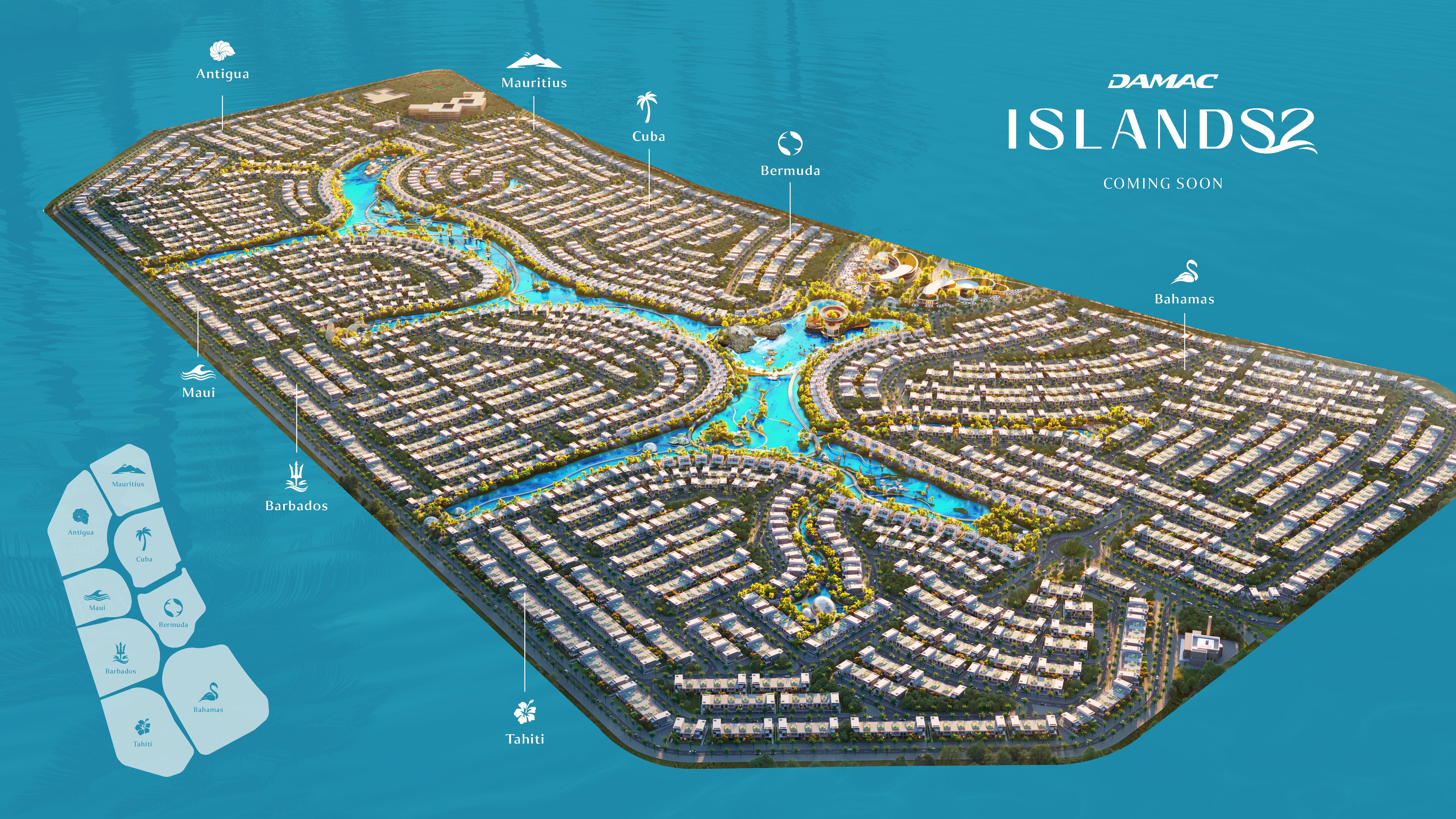
Continued off-plan launch success, such as DAMAC Islands, Palm Jebel Ali, and Emaar’s new waterfront clusters
Dubai’s property market continues to offer dual benefits: short-term income (rentals) and strong capital appreciation, making it a preferred investment destination.
🏦 Financial & Insurance Services – A Powerful Growth Engine
With a 7.7% increase, this sector contributed AED 14.2 billion to GDP.
Dubai maintains its reputation as a regional financial powerhouse with:
Increased foreign direct investment
Digital banking expansion
Strong private wealth inflows
A large expatriate workforce needing financial solutions
This creates a stable investment environment and supports sustained demand for residential and commercial real estate.
📡 Information & Communications – The Tech Pillar
The ICT sector recorded 7.4% growth, driven by Dubai’s tech-forward policies.
Advancements include:
AI, cloud computing, and cybersecurity initiatives
Free-zone expansions (e.g., Dubai Internet City, DIFC Innovation Hub)
More digital-native companies relocating to Dubai
High demand for tech-savvy Grade A office spaces
This contributes to a modern, future-ready real-estate market.
What This Means for Real Estate Investors
Dubai’s rising GDP is not just an economic milestone — it is a direct signal of real-estate opportunity. Sustained growth across multiple sectors translates into increased confidence, population expansion, and stronger international demand.
1. Higher Capital Appreciation Ahead
Economic expansion often correlates with asset appreciation. With continuous demand across villas, townhouses, waterfront homes, and branded residences, the outlook remains strongly positive.
2. Strengthened Rental Yields
As job creation accelerates, rental demand — especially in prime and mid-luxury segments — keeps growing. Investors can expect rising yields and lower vacancy rates.
3. Greater Demand for Waterfront & Master Communities
Dubai’s strongest-performing assets continue to be:
Waterfront residences (Palm, Dubai Marina, DAMAC Islands)
Large master communities (Dubai Hills, Palm Jebel Ali, Tilal Al Ghaf)
Premium villa communities
Mixed-use lifestyle destinations
These areas benefit directly from tourism recovery, population growth, and infrastructure development.
4. Stronger Off-Plan Market
With developers launching high-demand luxury projects and offering attractive payment plans, off-plan properties remain one of the most strategic investments.
5. Investor Confidence at an All-Time High
A stable financial environment, government support, and transparent regulations (DLD, RERA) create a secure investment landscape unmatched in the region.
Why 2025 Is a Prime Year for Investors
Dubai’s momentum is being recognized worldwide. The combination of:
Sustained GDP growth
Record-breaking property launches
Massive infrastructure investments
High migration of global talent
Long-term visa reforms
A shortage of quality waterfront stock
…puts the emirate in a highly favourable position for investors looking for reliable returns, long-term appreciation, and international stability.
2025 is shaping up to be one of Dubai’s strongest years for real-estate wealth creation.
Book a call today
Reach out to Hassi Properties for a bespoke, expert consultation crafted to guide your investment decisions with confidence.