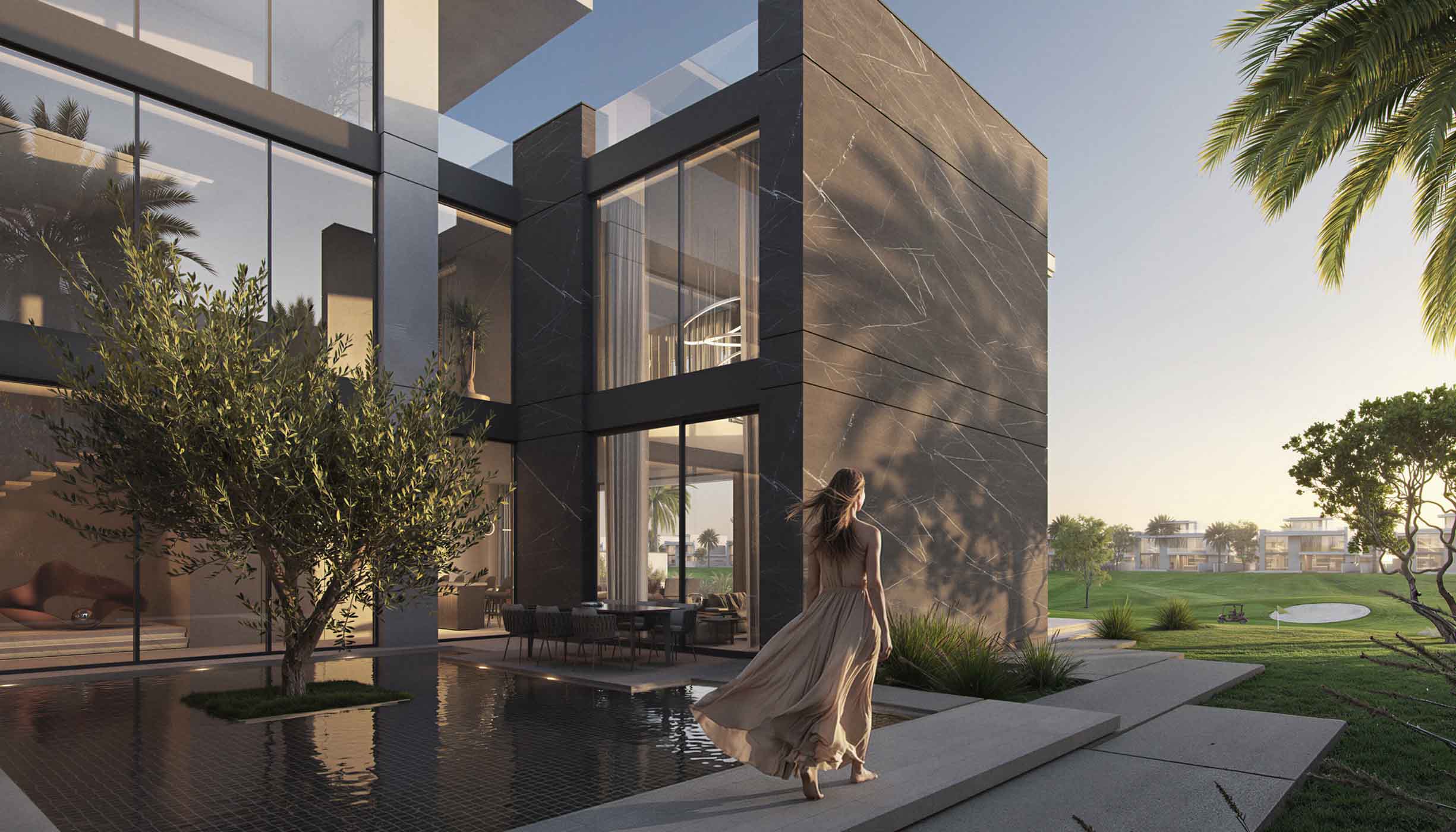

The United Arab Emirates is closing 2025 with one of the strongest real estate cycles in its recent history. Across Dubai, Abu Dhabi, Sharjah, and Ras Al Khaimah, demand for property has surged to record levels. A combination of rapid population growth, economic expansion, international investor migration, and major infrastructure developments has turned the UAE into one of the world’s most resilient and attractive property markets. With Dubai alone adding thousands of new residents every week, the real estate sector has become the most visible reflection of the country’s growth momentum.
Population Surge: The Primary Driver of Demand
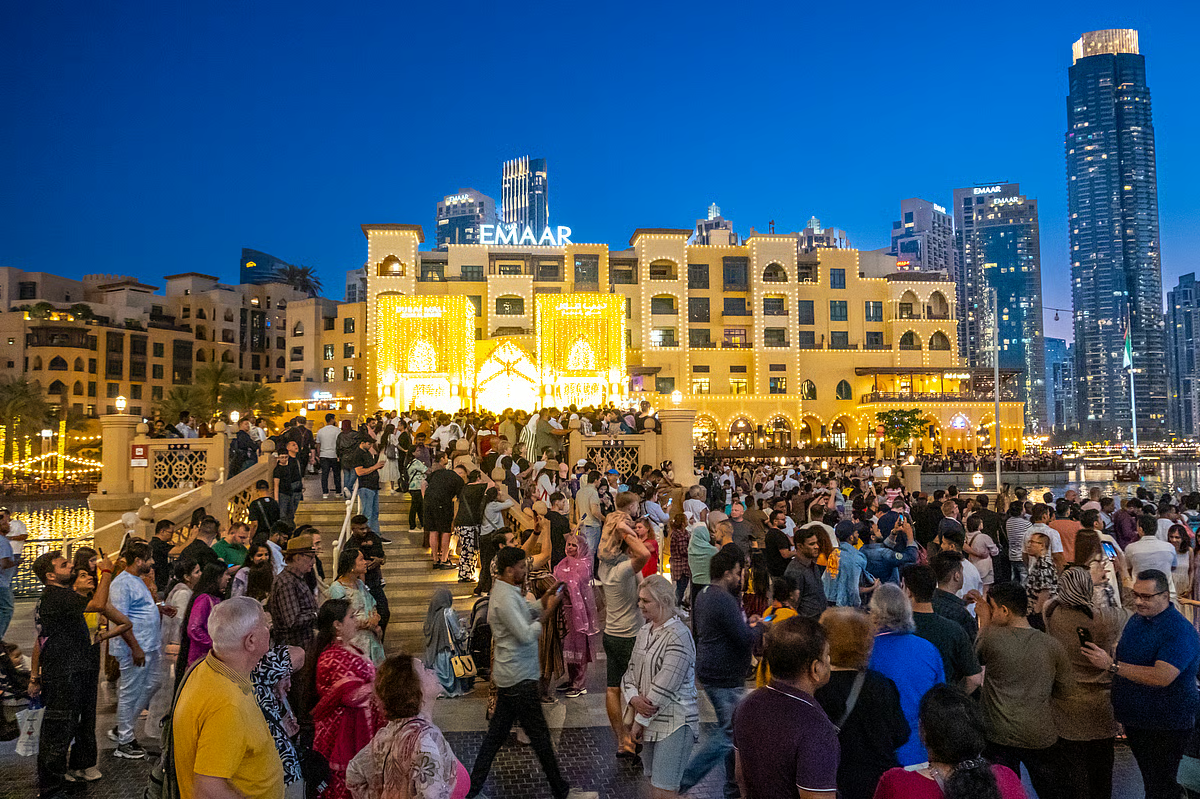
The UAE’s real estate boom in 2025 is heavily driven by population growth. Dubai has been expanding at a historic pace, attracting both skilled professionals and high-net-worth individuals from around the world. Data from the Dubai Statistics Center and Knight Frank indicates that the emirate is welcoming close to 1,000 new residents every day, making it one of the fastest-growing cities globally.
This population increase is not a temporary spike but part of a long-term trend. The UAE’s stability, tax benefits, world-class lifestyle, and global connectivity continue to draw foreign residents. The Henley & Partners Wealth Migration Report also shows the UAE leading the world in millionaire migration, with an estimated 10,000 high-net-worth individuals relocating to the country in 2025. This wave of wealth has pushed demand for luxury villas, branded residences, and prime waterfront properties to unprecedented heights.
Record-Breaking Transaction Volumes in 2025
The surge in demand has translated into historic transaction figures across the UAE. The Dubai Land Department reported that 2025 has already exceeded previous annual records, with Q3 showcasing some of the highest quarterly sales volumes the country has ever seen.
Property Finder confirms that both off-plan and ready properties have seen exceptional performance. Off-plan sales dominate the market, driven by flexible payment plans, lower entry points, and strong expectations of price appreciation by completion. Meanwhile, ready properties in established communities continue to attract tenants and investors due to rising rental yields caused by tight housing supply.
Areas such as Dubai Hills Estate, Business Bay, Palm Jumeirah, and Marina have seen consistent price growth this year, while emerging zones like Dubai South and Palm Jebel Ali are experiencing heightened demand due to future infrastructure projects and upcoming luxury developments.
Luxury Real Estate: A Magnet for Global Investors
Dubai’s luxury market has strengthened to the point where it now ranks alongside New York, London, and Singapore as one of the world’s most desirable luxury real estate destinations. Reports from Bloomberg, Reuters, and Gulf News highlight a surge in ultra-high-value transactions across waterfront and branded residential communities.
Developers have responded with a pipeline of premium launches, including beachfront villas, sky mansions, signature towers, and resort-style neighborhoods. International investors view Dubai as a safe-haven market offering superior capital appreciation, high rental yields, and long-term residency incentives.
Communities such as Palm Jumeirah, Jumeirah Bay Island, Dubai Marina, MBR City, and Bluewaters continue to command global attention. Meanwhile, new mega-launches like Palm Jebel Ali and DAMAC Islands have created fresh demand in the high-end sector, attracting investors from Europe, the UK, the United States, and Asia.
Property Finder confirms that both off-plan and ready properties have seen exceptional performance. Off-plan sales dominate the market, driven by flexible payment plans, lower entry points, and strong expectations of price appreciation by completion. Meanwhile, ready properties in established communities continue to attract tenants and investors due to rising rental yields caused by tight housing supply.
Areas such as Dubai Hills Estate, Business Bay, Palm Jumeirah, and Marina have seen consistent price growth this year, while emerging zones like Dubai South and Palm Jebel Ali are experiencing heightened demand due to future infrastructure projects and upcoming luxury developments.
Off-Plan Market Momentum and Investor Confidence
Off-plan properties have become one of the dominant themes of 2025. JLL and Knight Frank both note that more than 60 percent of Dubai’s real estate transactions this year were in the off-plan sector. Investors are drawn to flexible payment structures, lower upfront capital requirements, and the potential for significant price appreciation by the time of handover.
Developers across the UAE are introducing innovative payment plans, including extended post-handover structures, low down-payments, and long-term financing options. This has made UAE real estate accessible to a wider range of investors—particularly international buyers who want to enter the market without substantial upfront commitments.
Developers have responded with a pipeline of premium launches, including beachfront villas, sky mansions, signature towers, and resort-style neighborhoods. International investors view Dubai as a safe-haven market offering superior capital appreciation, high rental yields, and long-term residency incentives.
Communities such as Palm Jumeirah, Jumeirah Bay Island, Dubai Marina, MBR City, and Bluewaters continue to command global attention. Meanwhile, new mega-launches like Palm Jebel Ali and DAMAC Islands have created fresh demand in the high-end sector, attracting investors from Europe, the UK, the United States, and Asia.
Property Finder confirms that both off-plan and ready properties have seen exceptional performance. Off-plan sales dominate the market, driven by flexible payment plans, lower entry points, and strong expectations of price appreciation by completion. Meanwhile, ready properties in established communities continue to attract tenants and investors due to rising rental yields caused by tight housing supply.
Areas such as Dubai Hills Estate, Business Bay, Palm Jumeirah, and Marina have seen consistent price growth this year, while emerging zones like Dubai South and Palm Jebel Ali are experiencing heightened demand due to future infrastructure projects and upcoming luxury developments.
Economic Growth and Infrastructure Expansion Strengthen the Market
The UAE’s non-oil economy expanded significantly in 2025, driven by tourism, hospitality, aviation, logistics, renewable energy, and technology. Dubai’s tourism numbers exceeded expectations, supported by global events, enhanced airport capacity, and increased demand from international travelers.
One of the most transformative catalysts is the expansion of the Al Maktoum International Airport. Set to become the world’s largest aviation facility, the project has made Dubai South one of the most promising investment hotspots. The surrounding districts are projected to experience long-term capital growth as the airport drives employment, residential demand, and commercial development.
Ras Al Khaimah’s Al Marjan Island is also attracting attention due to the upcoming Wynn Resort—a project expected to transform the northern emirate into a tourism and entertainment hub. Abu Dhabi continues to expand its cultural and residential districts, reinforcing its position as a stable, long-term investment market.
Developers across the UAE are introducing innovative payment plans, including extended post-handover structures, low down-payments, and long-term financing options. This has made UAE real estate accessible to a wider range of investors—particularly international buyers who want to enter the market without substantial upfront commitments.
Developers have responded with a pipeline of premium launches, including beachfront villas, sky mansions, signature towers, and resort-style neighborhoods. International investors view Dubai as a safe-haven market offering superior capital appreciation, high rental yields, and long-term residency incentives.
Communities such as Palm Jumeirah, Jumeirah Bay Island, Dubai Marina, MBR City, and Bluewaters continue to command global attention. Meanwhile, new mega-launches like Palm Jebel Ali and DAMAC Islands have created fresh demand in the high-end sector, attracting investors from Europe, the UK, the United States, and Asia.
Property Finder confirms that both off-plan and ready properties have seen exceptional performance. Off-plan sales dominate the market, driven by flexible payment plans, lower entry points, and strong expectations of price appreciation by completion. Meanwhile, ready properties in established communities continue to attract tenants and investors due to rising rental yields caused by tight housing supply.
Areas such as Dubai Hills Estate, Business Bay, Palm Jumeirah, and Marina have seen consistent price growth this year, while emerging zones like Dubai South and Palm Jebel Ali are experiencing heightened demand due to future infrastructure projects and upcoming luxury developments.
Market Outlook: What to Expect in 2026 and Beyond
Analysts remain optimistic about the UAE’s real estate trajectory. With population growth expected to continue, global investor interest increasing, and major infrastructure projects advancing, the UAE is well positioned for sustained real estate expansion.
Long-term residency programs, tax advantages, business-friendly policies, and unmatched lifestyle standards all contribute to ongoing demand. While prices have risen in 2025, the increase is supported by genuine end-user and investor demand rather than speculative buying, suggesting a solid foundation for future growth.
The consensus among market experts is that 2026 will continue the upward trend, especially in fast-developing zones such as Dubai South, Palm Jebel Ali, and newly revitalized urban districts across the UAE.
FAQ's
Why is the UAE real estate market booming in 2025?
The boom is driven by rapid population growth, high-net-worth migration, economic expansion, strong investor confidence, and major infrastructure developments. Dubai’s record population increase and global appeal have created unprecedented demand for housing.
Which areas are seeing the strongest performance?
Prime areas like Dubai Marina, Palm Jumeirah, Downtown Dubai, and MBR City continue to perform exceptionally well. Emerging areas such as Dubai South, Palm Jebel Ali, and Al Marjan Island are expected to deliver strong long-term capital appreciation.
Are property prices likely to keep rising?
Experts predict continued growth due to sustained population inflow, strong rental demand, and rising investor interest. Prices may continue increasing through 2026, especially in waterfront and master-planned communities.
Is off-plan or ready property a better investment now?
Off-plan properties provide lower entry prices and strong appreciation potential, while ready properties deliver immediate rental returns. Both are performing well, and the choice depends on budget, goals, and investment timeline.
Are international investors still buying in the UAE?
Yes. The UAE remains one of the world’s top investment destinations. Investors from the UK, Europe, the US, India, China, and Africa continue purchasing due to tax benefits, safety, residency pathways, and high returns.
Is now a good time to enter the market, or should I wait?
Delaying may result in higher prices, as demand continues to rise and supply remains limited. Many analysts view late 2025 and early 2026 as a strong window for entering the market before further price escalation.